Please do not participate in a Facebook scam about a $100 voucher. Facebook is working to have it removed.
3 min read
Turn Shrink Into Traffic: 5 Takeaways from Shopper Matters with Flashfood
Written by Jessica Vician
Oct 1, 2026
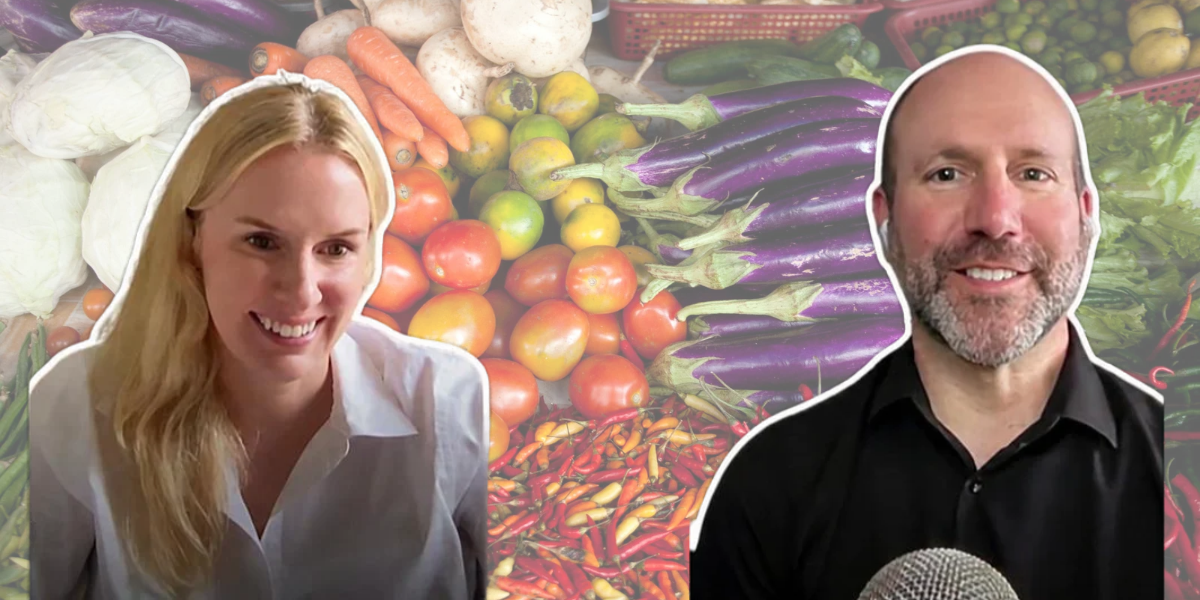
Every grocer knows the sinking feeling of scanning perfectly good meat, dairy, or produce into the trash. On the latest episode of Shopper Matters, IGA's Michael La Kier sat down with Jordan Schenck, CEO of Flashfood, to challenge that routine. Their conversation shows that what's sitting on your dock may be one of your biggest untapped growth drivers.
Flashfood is a marketplace that partners with grocery retailers to list near-expiring fresh inventory for shoppers to buy at a discount. Schenck describes it as listing your store's surplus the way you'd list your home on Airbnb, for a large audience of shoppers ready to buy. But the episode went well beyond the platform, into what today's shopper wants and how independent grocers can deliver it.
Watch the episode here or listen to it on your favorite podcast streamer: Apple, Amazon, Podbean, Spotify, YouTube.
Here are five key takeaways for independent retailers.
1. Deal-seeking is universal, and it no longer carries a stigma.
Citing Deloitte research, Schenck noted that 89% of shoppers are looking for a deal. Years of Black Friday, Cyber Monday, and holiday sales have conditioned shoppers at every income level to expect discounts. Buying on sale doesn't hurt a brand's image anymore. Shoppers see it as the sensible way to shop. As La Kier put it, labeling shoppers "bargain hunters" oversimplifies what's really happening. Many are chasing savings to protect their quality of life.
What to do: Stop designing value programs for a narrow "price-sensitive" segment. Assume nearly every shopper who walks through your doors is open to a smart deal.
2. Affordability is a gateway to healthier eating.
Fresh departments are the health engine of the store, but many shoppers still see fresh as expensive. Schenck said a Flashfood study found that 70% of shoppers buying on the platform reported shifting toward healthier habits, often by trying fresh items for the first time. Lowering the price barrier makes trial less risky, especially for parents who don't want to pay for food their kids won't eat. Once a shopper likes an item, they come back to buy it at full price in your store.
What to do: Treat near-date fresh as a trial tool that supports your health and wellness initiatives, not just a markdown.
3. Shrink can drive trips and bigger baskets.
Flashfood shoppers typically pick up a few items and then finish their shopping in store. Schenck said these shoppers visit more often each month and spend about $25 more on average per trip. A package of meat that was headed for zero now brings a shopper in the door, and that shopper fills a basket. Schenck also said that with smarter discount-setting, these programs often outperform traditional yellow-sticker markdowns. Because the deals live online, your fresh cases can stay clean and sticker-free.
What to do: Measure near-date programs by trips and basket size, not just shrink recovered.
4. Shoppers are smarter than we give them credit for.
The industry often talks about "educating" shoppers on date labels. La Kier and Schenck both pushed back on that idea. Shoppers already understand freshness and best-by dates, thanks in part to years of conversation about food waste and "ugly" produce. Flashfood sells everything within date. Shoppers who want the freshest milk can still reach for the back of the case, while others choose near-date items at a price that matches their value.
What to do: Give shoppers clear options and fair prices, and trust them to choose.
5. Start simple and scale from there.
Independent grocers often hear from tech providers that they need to change how they operate to fit the tool. Schenck described Flashfood's opposite approach. Retailers can post a produce box as soon as the next day with minimal setup, use existing space like an underused e-commerce pickup fridge, and add deeper data integration over time. That integration can include shrink and category insights backed by Flashfood's shopper demand data.
What to do: Look for quick, low-effort pilots. Get product listed, prove the demand, then build.
The Bottom Line
When La Kier asked what one thing Schenck would change about how the industry thinks about food waste, her answer was simple: treat it as an opportunity, not a cost center. For independent grocers facing tight margins and value-focused shoppers, that shift could pay off in traffic, loyalty, and healthier communities.
Listen to the full episode of Shopper Matters now, and subscribe so you never miss a conversation on the trends shaping your shoppers. Ready to explore a near-date fresh program? Contact Jordan Schenck at jordan@flashfood.com or connect with her on LinkedIn.
No Comments Yet
Let us know what you think